
About DermAI

Launched in 2024for calmer skin-health decisions.

DermAI launched in 2024 to help people in the United States move from uncertain skin photos to clearer, safer next steps.

30 sec

scan-to-guidance target

30+

launch conditions covered

4 lanes

urgency routing

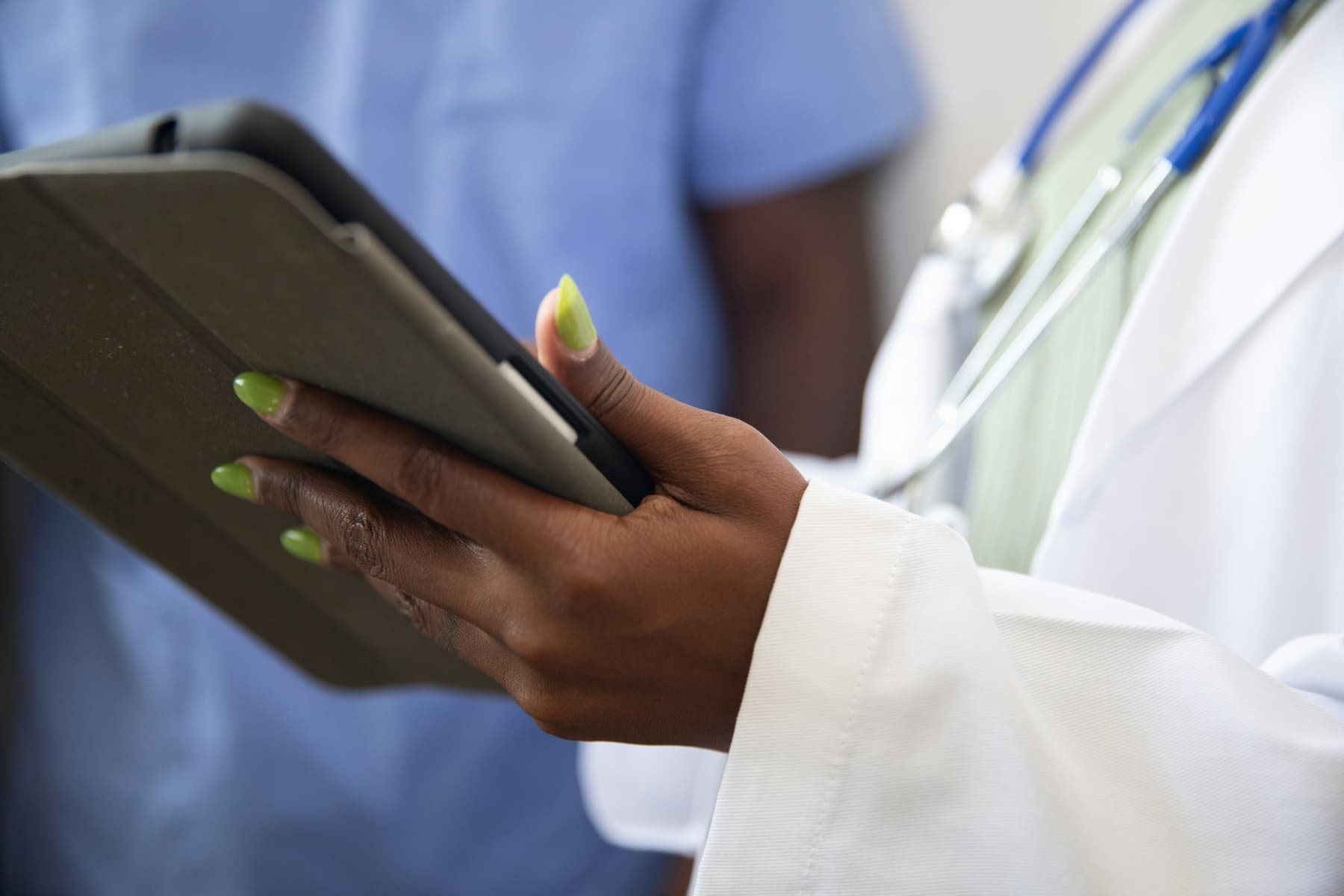
U.S. clinician using a tablet in a care-first digital health workflow

Founded for

first-step clarity

Product promise

Probability, urgency, and practical next steps without diagnostic overreach.

Founding story

A better first step between worry and care.

The product was built around a simple pattern: people notice something on their skin, search alone, and often do not know whether to wait, buy a cream, or call a dermatologist.

DermAI began with a patient experience problem, not a model demo. Skin concerns are visible, personal, and often emotionally charged. A rash can be harmless irritation, a fungal infection, an inflammatory flare, or a reason to seek care quickly. The internet gives too many answers and too little direction.

The founding team shaped DermAI around triage language: monitor, self-care, doctor soon, urgent, or emergency. The scan report combines visible pattern review with context such as body area, duration, symptoms, and image quality. The goal is to make the next step clearer while keeping clinicians central.

Since launch, the product has stayed intentionally narrow. DermAI does not claim to diagnose or treat. It helps people prepare for better decisions, document changes, and know when the safest choice is professional review.

Company timeline

From launch to clinical workflow infrastructure.

The roadmap follows the product's safety posture: consumer clarity first, then deeper reporting, then clinic-grade workflow.

2024

DermAI launched

The first public product focused on guided photo capture, probability language, urgency triage, and appointment-ready reporting.

2025

Safety system expanded

The team added stronger uncertainty states, family profiles, scan history, and clearer escalation for high-risk symptoms.

2026

Clinic workflows

DermAI broadened into B2B intake, telehealth triage, and API planning for dermatology teams.

Team

The people building the scan experience.

DermAI is run by a small product, clinical, machine learning, and security team focused on trust-heavy healthcare moments.

CH

Claire Holloway

Founder and CEO

Claire started DermAI after watching family members delay dermatology visits because they could not tell whether a rash was routine or serious. She leads product strategy, patient trust, and partnership development.

DP

Drew Patterson

Machine learning lead

Drew leads DermAI's image-recognition pipeline, model evaluation, and bias review process. His work focuses on uncertainty, image quality, and safe probability presentation.

MK

Molly Keene

Clinical product lead

Molly translates dermatology workflows into clear product journeys, from symptom capture and urgency language to PDF reports that prepare people for clinical visits.

ES

Eric Sanders

Security and platform lead

Eric owns the data-minimization posture, consent-led retention, and infrastructure choices that keep skin images treated as sensitive health information.

Medical advisory board

Clinical guidance for a cautious product.

The advisory board shapes risk language, condition coverage, escalation rules, and how reports should prepare people for clinician review.

DermAI does not diagnose.

The product provides wellness information, probability estimates, and urgency guidance. Seek qualified medical care for diagnosis, treatment, rapidly changing symptoms, severe pain, fever, bleeding, infection signs, or any urgent concern.

Dr. Ellen Burke

Consultant dermatologist

Advises on inflammatory skin conditions, mole concern escalation, and responsible patient-facing language.

Dr. Paul Whitaker

Dermatology and telehealth reviewer

Reviews triage flows for common rashes, fungal patterns, acne-like eruptions, and referral timing.

Dr. Nancy Harper

Clinical safety advisor

Guides medical disclaimer placement, urgent symptom routing, and user education for high-risk cases.

Clean clinical workspace representing DermAI's safety and privacy principles

Safety is a product feature.

Clear disclaimers, data minimization, confidence thresholds, and escalation rules ship alongside the model.

Operating principles

Calm, cautious, and privacy-aware.

DermAI's operating principles are written into product behavior, not saved for a policy page.

Triage before certainty

DermAI is designed to answer what a person should do next before it tries to sound definitive.

Sensitive by default

Skin photos, symptom notes, reports, and family profiles are treated as sensitive health-adjacent data.

Uncertainty is visible

Low confidence, poor image quality, overlap between conditions, and clinician review needs are shown plainly.

Clinicians stay central

DermAI prepares people for care. It does not replace dermatologists, diagnosis, prescriptions, or emergency services.

Partnerships

Built with the care network in mind.

DermAI collaborates with U.S. care, access, and privacy partners who can make scan guidance more useful after the first result.

U.S. dermatology clinics

U.S. telehealth platforms

U.S. pharmacy networks

Patient advocacy groups

Clinical research teams

Health-data security reviewers

Consumer support

support@dermai.skin

Clinic partnerships

clinics@dermai.skin

Press and company

press@dermai.skin

Next step

A calmer first step for skin-health uncertainty.

Start with a scan report, prepare for dermatologist review, or bring DermAI into a clinic intake pathway.